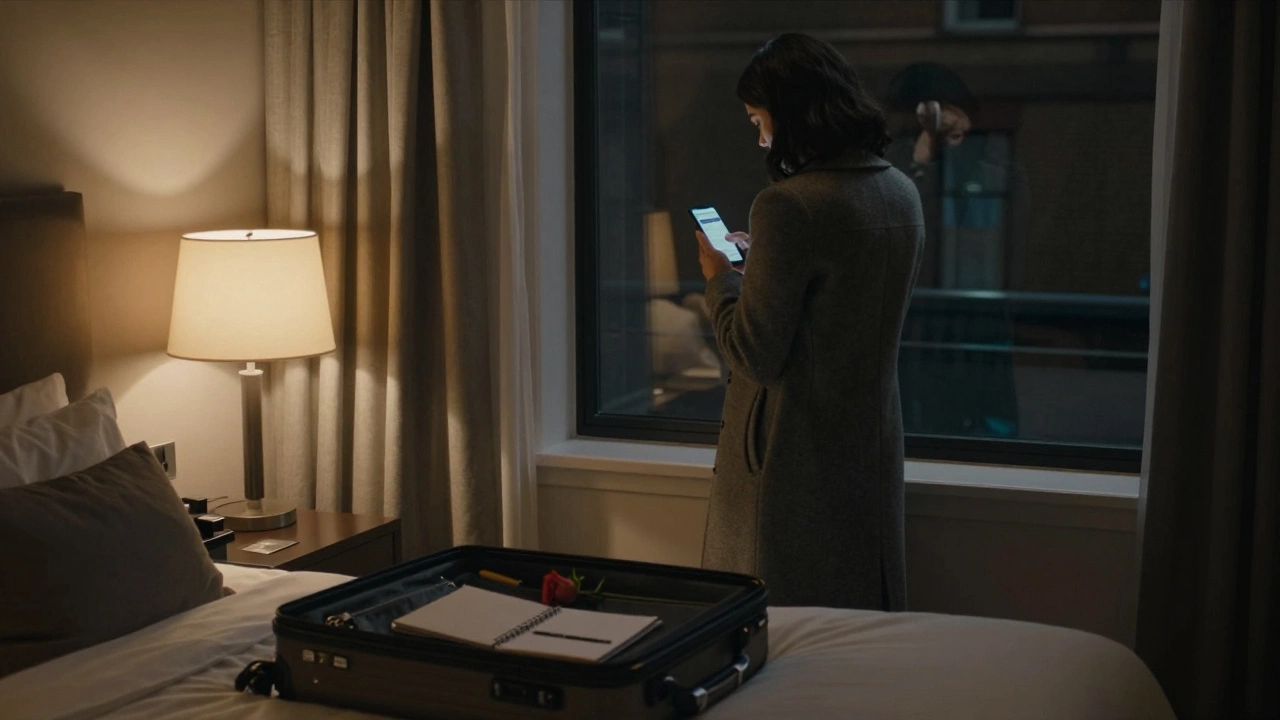
There’s a lot of noise around the phrase "Escorts Russian"-especially when it’s tied to images of glamour, luxury, or mystery. But behind the marketing language and curated photos, there’s a real human experience that rarely gets talked about. At the heart of Escort Russian are the Escort girls Russian, women who navigate complex social, economic, and legal landscapes just to make a living. Some are students supplementing income. Others are professionals seeking flexibility. A few are trapped in systems they didn’t choose. The truth? There’s no single story here. There are dozens, hundreds, even thousands of different paths that lead someone to this line of work.
It’s easy to confuse this with the world of escort london vip, where high-end services are packaged as exclusive experiences. But even in London, the line between personal choice and exploitation is thin. The same dynamics play out in Moscow, St. Petersburg, or Kyiv. What gets sold as "VIP London escort" service often mirrors what’s marketed as "Escorts Russian"-the same demand, the same risks, the same lack of legal protection. The only difference is the currency and the language.
Why the Demand Exists
People don’t hire escorts because they’re lonely. Not really. They do it because they want control. Control over time. Control over interaction. Control over expectations. In a world where dating apps are saturated with ghosting and mixed signals, an escort offers a transaction that’s clear: money for company, conversation, or intimacy. No ambiguity. No emotional overhead. That’s the appeal. And it’s not just men. Women hire male escorts too. Older professionals, international travelers, people recovering from breakups-all of them looking for something predictable in an unpredictable world.
The rise of digital platforms has made this easier than ever. Apps and private websites let clients browse profiles, set boundaries, and schedule meetings without ever leaving home. But that convenience comes with a cost. The lack of regulation means there’s no safety net. No way to verify if the person you’re meeting is who they say they are. No recourse if something goes wrong.
The Reality Behind the Photos
Those polished Instagram profiles? They’re carefully staged. The lighting, the outfits, the location-all chosen to sell an image. The woman behind it might be working 12-hour days, dealing with clients who don’t respect boundaries, or managing anxiety from constant judgment. Many don’t even use their real names. They use aliases to protect their families, their jobs, their futures.
One woman in Moscow told me, in confidence, that she started as a translator after university. When her freelance work dried up, she turned to escorting because it paid three times as much for the same hours. She didn’t want to be seen as a sex worker. She called herself a "companion." She booked clients through a vetted agency that required ID checks and location tracking. That’s not the stereotype you see in movies. That’s just life.
And it’s not just Russia. The same patterns show up in Ukraine, Kazakhstan, and even among Russian-speaking women in Germany or the UK. The term "escort girl UK" sometimes gets used as a catch-all, but the reality is more layered. A woman from Omsk working in Manchester isn’t the same as a local Londoner. Their motivations, risks, and support systems vary wildly.
Legal Gray Zones
In the UK, prostitution itself isn’t illegal-but almost everything around it is. Soliciting in public, running a brothel, pimping, and advertising are all criminal offenses. That means most workers operate in isolation or through private networks. They avoid platforms that could be shut down. They use encrypted messaging. They meet in hotels or private apartments. It’s not glamorous. It’s survival.
Meanwhile, in Russia, the legal situation is even more restrictive. While prostitution isn’t explicitly banned, local ordinances in cities like Moscow and St. Petersburg make it nearly impossible to operate openly. Police raids on apartments, fines for "public indecency," and forced registration as "sex workers" create a climate of fear. Many women avoid any official contact-no bank accounts, no contracts, no ID verification. That leaves them vulnerable to exploitation by clients or middlemen.
What No One Talks About: Mental Health
There’s no data on how many escort workers suffer from depression, PTSD, or burnout. That’s because most don’t seek help. Therapy is expensive. Stigma is heavy. And if you’re undocumented or on a tourist visa, even going to a clinic can risk deportation.
One anonymous survey of 147 Russian-speaking women working in Europe found that 68% reported feeling isolated most days. Nearly half said they’d experienced verbal or physical aggression from clients. Only 12% had access to any kind of support network. These aren’t statistics from a decade ago. This is data from early 2025.
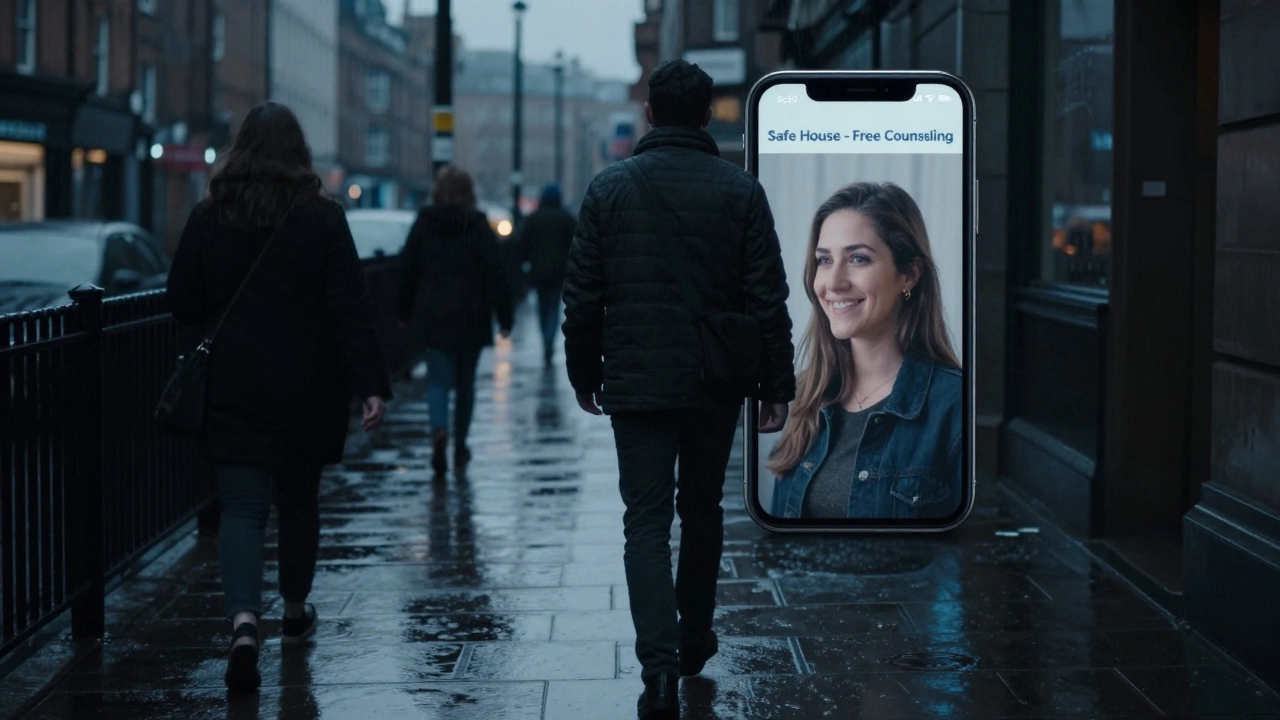
Some organizations in Berlin, Amsterdam, and London offer free counseling for sex workers, but language barriers and fear of authorities keep many away. A Russian-speaking woman in Leeds might know she needs help-but doesn’t know where to turn, or worse, thinks she’ll be arrested if she asks.
Technology’s Double Edge
Apps like Telegram, Signal, and private forums have become the new backrooms for this industry. They offer safety through encryption. They allow workers to screen clients, share warnings, and coordinate meetups without exposing their identities.
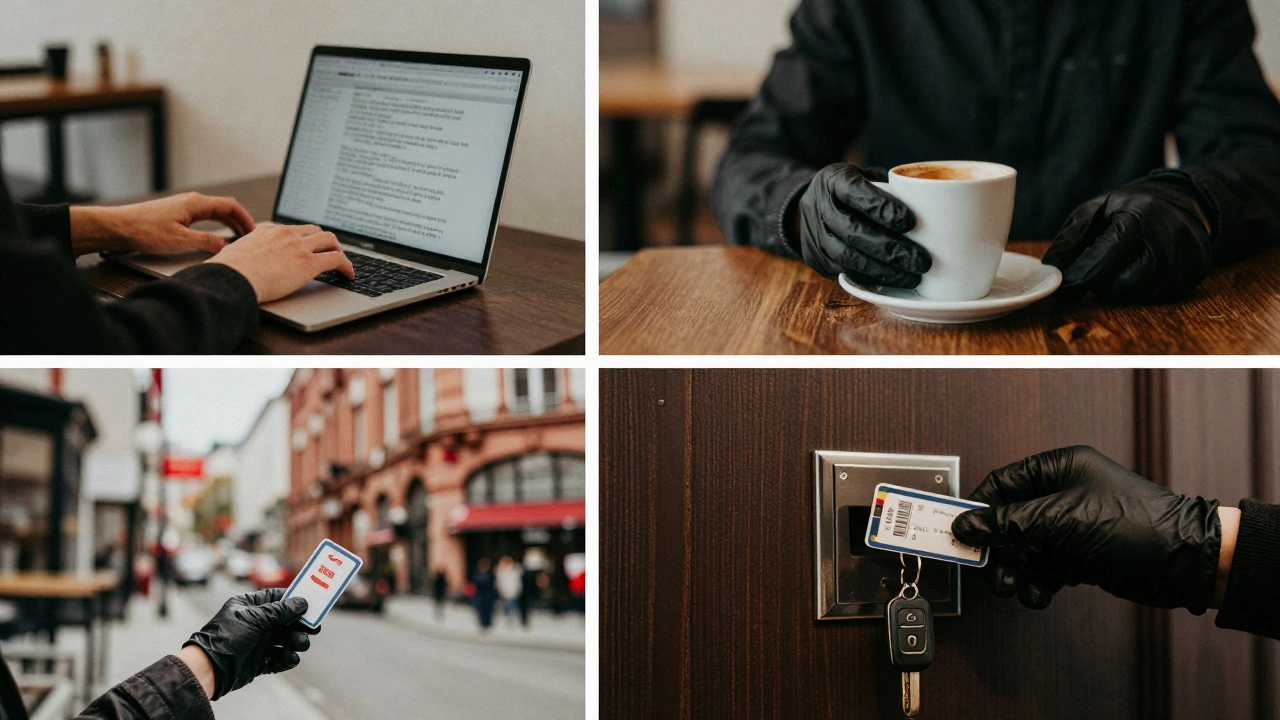
But they also make it easier for predators to find targets. Fake profiles, bots posing as clients, and scams are common. One woman in Riga told me she lost €1,200 after sending photos to someone who claimed to be a wealthy businessman. He never showed up. The photos were later used in a blackmail scheme.
Even the most careful workers can get caught in the net. A single misstep-a photo shared accidentally, a message left on an unsecured device-can lead to exposure. Families find out. Employers find out. Social media followers find out. The fallout can be devastating.
What About the Clients?
It’s easy to paint clients as predators. But many are just ordinary people trying to fill a void. A divorced father in Birmingham who hasn’t had a real conversation in months. A retired professor in Brighton who misses intellectual connection. A young engineer from Dubai who feels alone in a city where he doesn’t speak the language.
Some clients treat workers with respect. They tip well. They follow rules. They leave without asking for more. Others cross lines. They demand more than agreed. They show up drunk. They record without consent. And when things go wrong, the worker bears the burden-not the client.
There’s no universal code of conduct. No training for clients. No system to rate or report bad behavior. That’s why peer networks are so vital. Workers share names of dangerous clients. They warn each other. They build trust in silence.
The Bigger Picture
When you hear "Escorts Russian," think less about fantasy and more about systems. Economic inequality. Lack of opportunity. Gender norms. Legal neglect. These aren’t just background factors-they’re the engine driving this industry.
Women from post-Soviet countries often leave home because their local economies can’t support them. A nurse in Novosibirsk earns €300 a month. An escort in Prague can earn €2,000. The math is simple. The moral complexity? That’s where the real conversation should begin.
And it’s not just about Russia. The same patterns exist for women from the Philippines, Nigeria, Brazil, and beyond. This isn’t a regional issue. It’s a global one. The demand for companionship, intimacy, and control is universal. The lack of safe, legal alternatives? That’s the problem.
What Could Change?
Decriminalization isn’t a magic fix-but it’s a start. In New Zealand, where sex work is fully decriminalized, workers report higher safety, better access to healthcare, and less stigma. In Sweden, where only buyers are criminalized, demand dropped-but so did worker safety, as services went further underground.
What’s needed isn’t more policing. It’s more support. Legal aid. Mental health services. Safe housing. Financial literacy. Access to banking. These aren’t luxuries. They’re basic rights.
And maybe, just maybe, we need to stop pretending this is about sex. It’s about dignity. It’s about survival. It’s about a woman sitting alone in a hotel room, wondering if today’s client will treat her like a person-or just a service.
So when you see "VIP London escort" advertised, or read about an "escort girl UK" online, remember: behind that profile is a person with a name, a history, and a future. Not a product. Not a fantasy. A human being trying to get by in a world that doesn’t make it easy.